Introduction
In the busy setting of education, ensuring the health and safety of youngsters is paramount. As educators, it's critical to be gotten ready for emergency situations, especially when it involves kid defibrillation. This write-up explores Child Defibrillation Guidance: What Every Instructor Demands to Know, covering important first aid protocols, case coverage treatments, and strategies for building educator self-confidence in emergency situation situations.
Child Defibrillation Advice: What Every Teacher Requirements to Know
Understanding how to respond in a critical circumstance can save lives, specifically when it entails kids. Child defibrillation guidance includes not just the technological abilities needed yet likewise the psychological readiness and awareness necessary to act swiftly.
What is Youngster Defibrillation?
Defibrillation is a medical treatment used to deal with deadly cardiac dysrhythmias. In kids, using an Automated External Defibrillator (AED) can dramatically boost the possibilities of survival during a cardiac event. Recognizing signs early and having access to defibrillation equipment is vital.
Why is AED Training Important for Educators?
Educators are frequently the first -responders in institution emergencies. Training in AED usage empowers them with the expertise required to act decisively. In addition, awareness of HLTAID012 give first aid in education makes sure that instructors possess extensive emergency treatment training tailored for educational settings.
Building Instructor Confidence in Emergency Situations
The Role of Training Programs
Training programs concentrating on useful skills and academic understanding furnish teachers with the needed self-confidence to manage emergency situations. Regularly set up drills strengthen finding out and aid create a tranquil environment throughout real-life scenarios.
Creating a Supportive Environment
Establishing a society of security within schools motivates employee to speak up concerning worries and suggests enhancements relating to kid security measures.
Recognising Bronchial asthma Signs and symptoms in Children
Common Bronchial asthma Symptoms
Knowing just how to identify bronchial asthma signs can prepare First Aid Course in Tweed Heads instructors for punctual intervention:
- Wheezing Shortness of breath Chest tightness Persistent coughing
Emergency Reaction Protocols for Bronchial Asthma Attacks
In instance of an asthma attack, instructors ought to comply with these actions:
Ensure the youngster sits upright. Help provide their recommended inhaler or nebulizer. Monitor their problem closely until aid arrives.Choking Prevention Methods in Educational Settings
Understanding Choking Risks
Children are vulnerable to choking as a result of their First Aid Courses in Tweed Heads exploratory nature. Common choking dangers include small toys, food things, and class materials.
Implementing Choking Prevention Measures
To mitigate dangers, teachers should:
- Conduct regular safety audits. Educate kids regarding risk-free eating habits. Keep hazardous products out of reach.
Epipen Management: An Important Skill for Educators
What is an Epipen?
An Epipen is a gadget used for providing epinephrine during serious allergic reactions (anaphylaxis).
Steps for Correct Epipen Administration
Recognize signs of anaphylaxis (problem breathing, swelling). Retrieve the Epipen from its storage location. Administer as per training guidelines (typically right into the outer upper leg).Managing Minor Wounds: Vital Emergency Treatment Skills
Types of Minor Wounds Typically Encountered
Educators often take care of:
- Cuts Scrapes Bruises
Steps for Managing Minor Wounds Effectively
Cleanse the location carefully with soap and water. Apply disinfectant lotion if available. Cover with a sterilized plaster or dressing.Proper Hand Hygiene Practices in Schools
Importance of Hand Hygiene in Protecting Against Illnesses
Regular handwashing minimizes disease transmission amongst students and team alike.
Best Practices for Hand Health in Educational Settings
Encourage frequent handwashing before dishes and after utilizing the restroom. Provide hand sanitizers throughout classrooms. Teach correct handwashing methods via appealing activities.Understanding Play area Mishaps: Safety Methods and Preventative Measures
Common Playground Injuries Amongst Children
Playgrounds can be sites of frequent injuries such as falls or collisions causing swellings or fractures.
Preventive Measures Versus Play ground Mishaps
To make certain play ground safety and security:
- Regularly inspect equipment. Establish clear policies relating to playtime behavior. Provide adequate guidance during exterior activities.
Childproofing Techniques: Developing a Safe Knowing Environment
Why Childproofing Issues in Education?
Creating a secure atmosphere reduces possible dangers that could bring about accidents or injuries amongst pupils.
Effective Childproofing Techniques
Secure heavy furniture against walls. Use corner guards on sharp edges. Organize class materials effectively out of kids's reach.Incident Reporting Protocols: Ensuring Accountability
Importance of Case Reporting
Documenting events enables colleges to examine patterns and execute safety nets properly while making sure responsibility amongst team members.

Steps for Reliable Occurrence Reporting
Record information quickly after an incident occurs. Follow school standards for reporting procedures. Ensure all relevant events are notified concerning cases promptly.Immediate Reaction Duties for Educators
What Needs to Be Done Instantly After An Incident?
Educators have to prioritize student safety by analyzing injuries and supplying emergency treatment when necessary while alerting emergency solutions if required.
Maintaining Calm Throughout Emergencies
Staying made up not only aids effective decision-making however additionally helps guarantee pupils that may be scared or puzzled during emergencies.
Written vs Practical Parts of Emergency Treatment Training
Balancing Concept With Practice
Both created examinations and useful presentations are crucial elements of detailed emergency treatment training programs like HLTAID012 certification Australia.
Renewal Timelines: Keeping Qualifications Up-to-Date
All accreditations have certain revival timelines; keeping track guarantees that instructors maintain current knowledge on ideal practices related to child defibrillation guidance.
HLTAID012 Qualification Australia: Key Benefits
Completing this certification gears up instructors with crucial abilities needed in emergency situation scenarios, improving general safety and security standards within academic environments.
Baby mouth-to-mouth resuscitation Australia: Necessary Abilities for Caregivers
Training on Child CPR prepares caretakers with life-saving abilities particularly tailored towards infants' distinct physiology contrasted to older children.
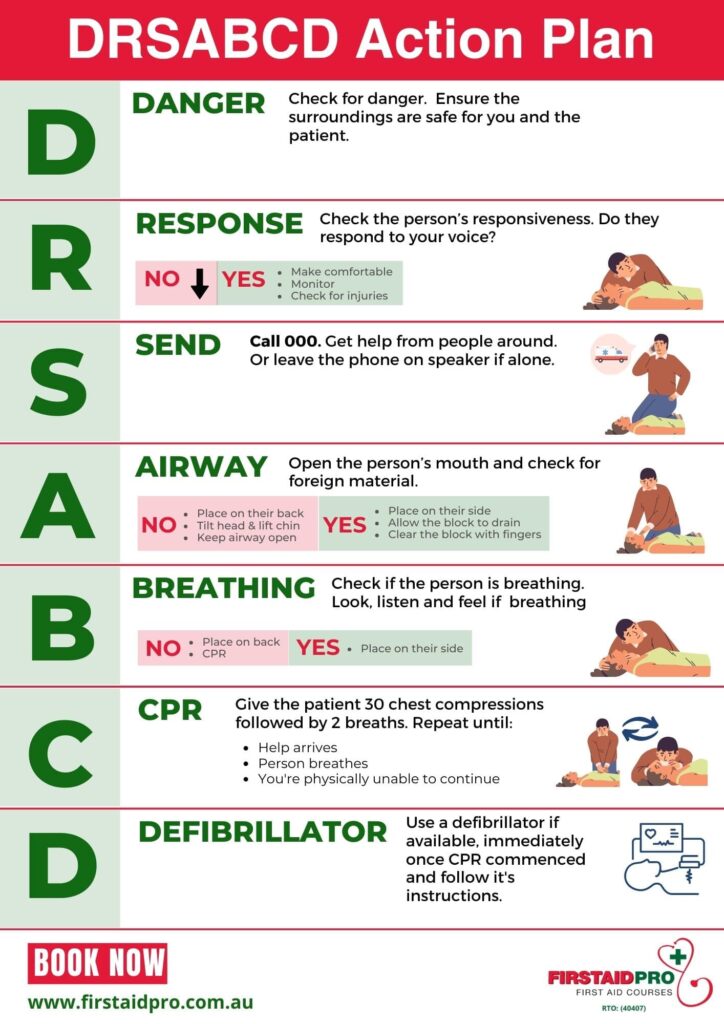
Toddler Emergency treatment Essentials Australia: Attending To Common Emergencies
Educators need to acquaint themselves with typical young child injuries such as burns or poisoning while being geared up with appropriate first aid feedbacks accordingly.
Childcare Centre First Aid Kit Australia: Must-Have Things List
Every child care center requires well-stocked emergency treatment packages containing essential materials ranging from adhesive tapes to bactericides which assist handle small injuries effectively.
First Help For Youth High Temperature Australia: Standards For Caregivers
Understanding how best to approach fevers encourages educators by enabling them far better administration techniques when caring for unwell children.
Childcare Safety Dangers Australia: Identifying Threats Very Early On
Regular evaluations can assist determine potential risks present at childcare facilities varying from hazardous toys down unsafe surface areas outdoors.
Childcare Staff First Aid Requirements Australia: Maintaining Requirements High!
It's critical that all staff members fulfill minimal demands set forth by governing bodies regarding training levels appropriate towards childcare-related practices.
First Aid Fundamentals For Moms And Dads Australia-- Equipping Families!
Providing parents with necessary information furnishes them much better manage minor clinical emergency situations affecting their children in addition to reinforcing communication in between home & & school!
First Help For Children With Disabilities Australia-- Inclusive Approaches!
Special considerations need attending to when offering ideal care tailored specifically towards those experiencing impairments guaranteeing equitable treatment throughout all circumstances ran into within child care settings.
Frequently Asked Questions(Frequently asked questions)
What is child defibrillation?
Child defibrillation refers particularly utilizing an Automated External Defibrillator(AED )created explicitly for pediatric clients experiencing serious cardiac events needing prompt intervention from skilled personnel such as educators within schools!
Why do instructors need AED training?
Educators inhabit frontline functions where they're commonly accountable reacting prompt throughout emergency situations; therefore having training increases self-confidence & furnishes them successfully take care of unanticipated situations including pupils'health and wellness crises!
How often needs to emergency treatment qualifications be renewed?
Most qualification programs advise renewing every three years relying on business plans governing educational institutions; staying existing makes certain expertise maintained shows newest standards/practices!
What ought to be included in a childcare centre's emergency treatment kit?
A detailed package need to include products such as band-aids, antibacterial wipes/sprays/treatments/ creams/gauze rolls/tape/scissors/ covering up tape along other essential tools valuable taking care of small injuries effectively!
How can we advertise appropriate hand hygiene among students?
Engaging activities incorporated constant reminders combined sufficient resources like sanitizer terminals placed purposefully throughout classrooms motivate good habits among students cultivating much healthier environments overall!
What actions should I take if I think a person has low blood sugar?
If you believe someone could have reduced blood sugar degrees supplying fast-acting carbs such as fruit juices/candy bars would usually be sufficient while checking their problem carefully until further help arrives!
Conclusion
In verdict, recognizing kid defibrillation assistance is necessary for every instructor functioning within colleges today! By grasping essential skills surrounding emergency situation feedback procedures-- consisting of identifying bronchial asthma symptoms/choking prevention techniques/epipen administration/etc.-- educators encourage themselves while boosting total safety and security criteria throughout class! It's vital not only furnish oneself appropriately but likewise foster favorable relationships in between home & school with effective communication where moms and dads involved proactively take part helping support healthy settings benefiting every person collectively!